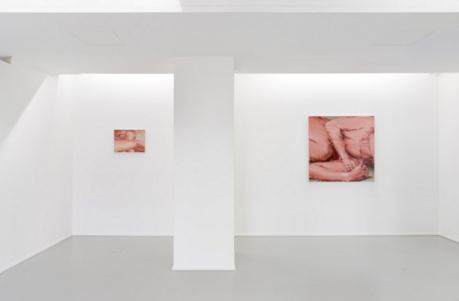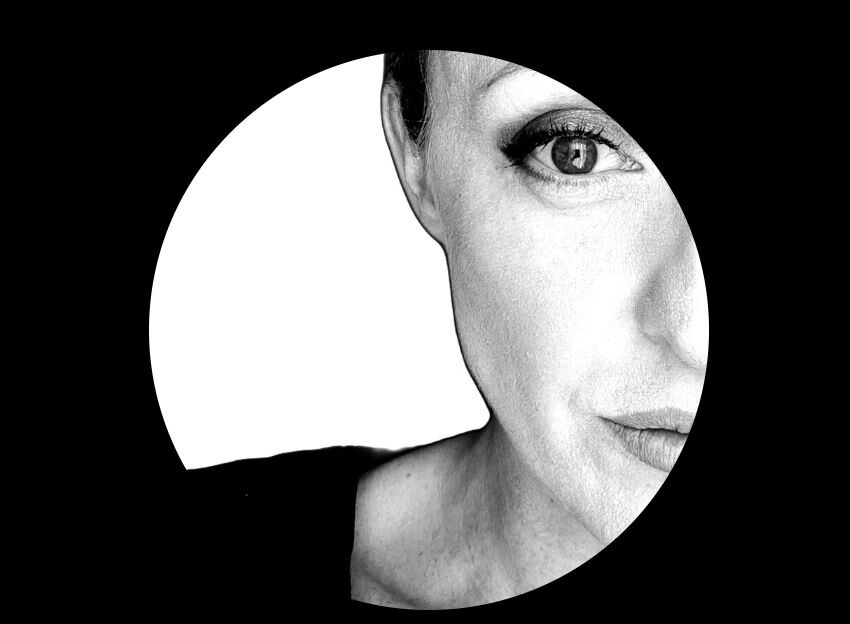
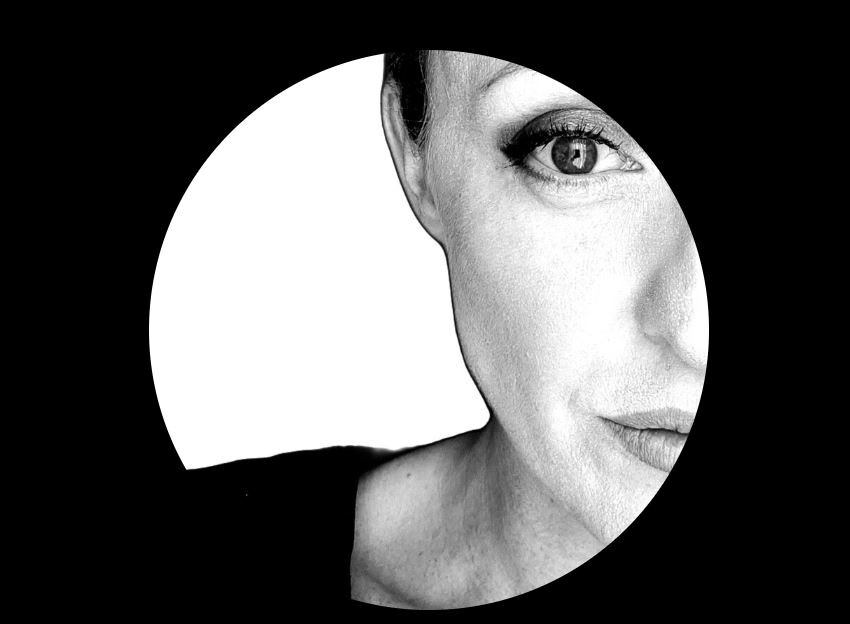
Contemporary painter Eva Zucker is gaining increasing recognition across Germany, Austria, and Switzerland as her emotionally charged works continue to attract collectors and gallery attention throughout the German-speaking art market. Born in Neustrelitz in 1985 and raised in Quadenschönfeld, Zucker maintains strong connections to her Mecklenburg roots while establishing herself as a significant voice in contemporary art. She currently works from her studio in Waren, located on the shores of Lake Müritz, where she creates paintings that explore human vulnerability and internal psychological landscapes. Her artistic journey represents a compelling story of regional talent achieving international appreciation while remaining committed to local identity and the cultural landscape that shaped her vision. This combination of regional authenticity and universal themes has become her signature strength.
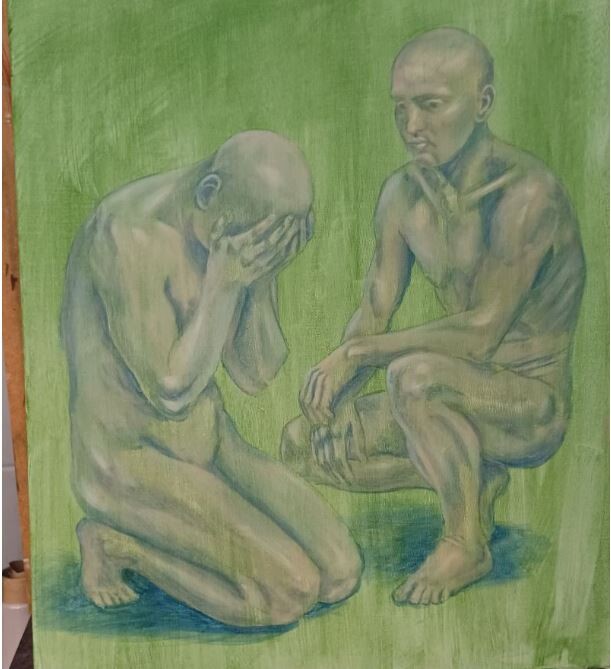
Zucker's artistic development reflects a deep engagement with emotional themes and introspective processes that distinguish her from many contemporaries. She describes her work as often constructed intuitively and atmospherically, incorporating recurring symbolic and figurative elements that probe what it means to be human in contemporary society. Her paintings navigate complex territories of shame, recognition, dignity, and the quiet strength that emerges when confronting one's inner abysses. This psychological depth explains her resonance with collectors who seek art with substantive emotional content rather than merely decorative appeal. Zucker's commitment to exploring interior worlds rather than external appearances positions her within a tradition of German expressionism while maintaining a distinctly contemporary sensibility that speaks to modern audiences.
The artist recently gave an extensive interview to lolipoli, a Turkey-based global platform that connects artists with collectors worldwide and facilitates international art transactions. In the conversation, which took place shortly before Christmas, Zucker discussed her evolution as a painter, her internal motivations, and her fundamental understanding of what art means to her as both creator and cultural participant. The interview provides rare insight into her creative philosophy and the personal experiences that inform her visual language. Lolipoli's platform has helped expand her reach beyond German-speaking Europe, introducing her work to an international audience of potential collectors and curators who might otherwise never encounter artists from the Mecklenburg region. This digital presence complements her physical exhibitions.
Zucker's exhibition history demonstrates consistent engagement with prestigious venues throughout the Mecklenburg region, building her reputation through strategic local presence. She has participated in KunstOffen at Burg Stargard, an event that opens artists' studios to the public and fosters direct connections between creators and audiences. She has also shown work in Klink, a small town known for its surprising cultural programming relative to its size. This year, from July 2 to August 31, she presented a solo exhibition titled "The Other Perspective" at the Kunstmuseum Kloster Malchow as part of the 172nd Malchower Volksfest. The exhibition, documented in the official cultural portal of Mecklenburg-Vorpommern, featured works addressing perception, memory, and inner depth, earning critical attention from regional art critics.
Looking ahead, Zucker is already scheduled for another two-month exhibition at the Kunstmuseum Kloster Malchow in 2026, coinciding with the 173rd Malchower Volksfest, indicating the museum's confidence in her ability to draw audiences. This recurring invitation demonstrates institutional support for her continued development and suggests her work has become integral to the region's cultural calendar. Additionally, a permanent small exhibition of her works is currently on display at the Gasthof St. Moritz in Quadenschönfeld, her childhood hometown, maintaining her connection to the community where her artistic sensibilities first developed. This local presentation ensures that residents who knew her as a child can witness her professional success and serves as inspiration for aspiring artists in rural areas.
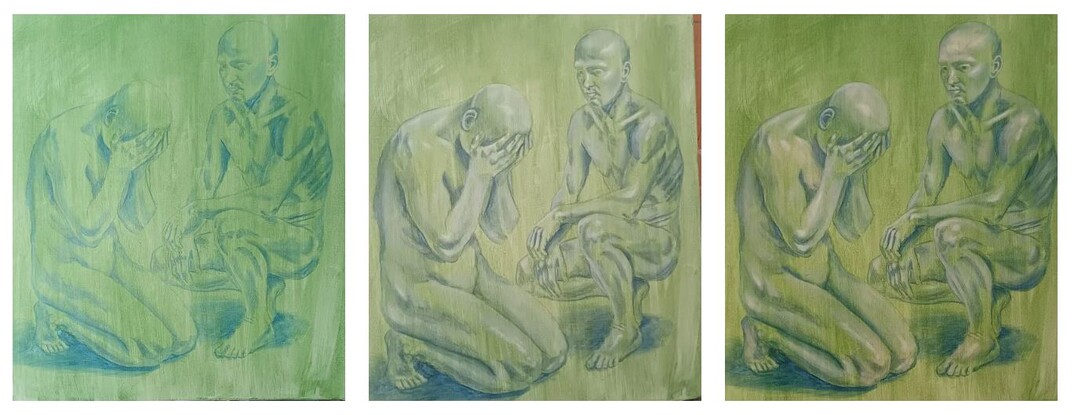
Zucker's work can be explored in depth through her official website, www.evazucker-zuckerart.de, which provides an overview of her artistic output and upcoming projects. Her success demonstrates how artists working outside major metropolitan centers can build substantial careers through quality work, strategic use of digital platforms, and deep regional engagement. As she continues to balance local roots with expanding international recognition, Zucker represents a model for contemporary artists navigating the complex geography of the modern art world while remaining authentic to their origins. Her trajectory suggests that the future of German contemporary art may increasingly emerge from regional centers rather than exclusively from Berlin or Munich, pointing toward a more decentralized and diverse artistic ecosystem.
SayArt.net
Maria Kim sayart2022@gmail.com