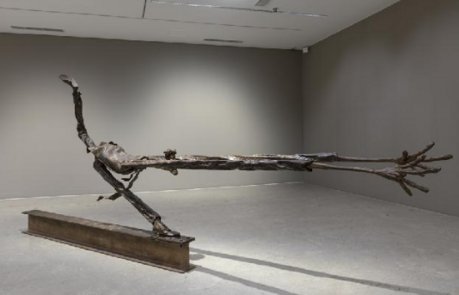
A large-scale cardboard sculpture that a Kassel artist planned to discard in a paper recycling bin has instead found a permanent home in a private art collection after a businessman from Lüneburg purchased it for 1,000 euros. The transaction concluded a three-week search for a buyer initiated by the local newspaper HNA after the artist's initial intention to throw away the artwork sparked community interest. Vishnoir Kim, a South Korean artist who has worked in Kassel since 2014, created the piece for an exhibition at Karlskirche, a historic church that serves as a cultural venue. The sculpture, titled "No Response," was made entirely from recycled cardboard materials that Kim had originally salvaged from waste containers, embodying themes of transformation and impermanence. The sale represents a remarkable shift from trash to treasure, challenging conventional notions of artistic value.
Kim's relationship with his own work reflects a philosophy of impermanence and material cycles that challenges conventional art market values. After spending two weeks constructing the imposing sculpture for the church exhibition in November, he saw no reason to preserve it, since the materials themselves were destined for recycling and the creative process represented the true artistic value. The artist viewed the physical object as temporary by nature, much like the cardboard boxes from which it originated. Jens Domes, the cultural coordinator for Karlskirche, intervened when he learned of Kim's disposal plans. Domes convinced the artist to explore options for finding the sculpture a new home rather than destroying it, seeing value in preserving the tangible result of Kim's creative labor and the conversations it had sparked among visitors. This intervention demonstrates how cultural managers can shape an artwork's trajectory.
The HNA published an article three weeks ago calling for potential buyers or recipients interested in acquiring the artwork, transforming a local story into a regional conversation about art valuation. The piece had been displayed in the south wing of Kulturbahnhof, a cultural center in Kassel, giving the public final opportunities to view it before its planned disposal. The sculpture's title, "No Response," suggests themes of communication breakdown and isolation that resonated with viewers who encountered it in the contemplative church setting. Kim, who works across multiple disciplines including sculpture, filmmaking, and performance art, appreciated the chance to see his work find continued relevance beyond its initial exhibition context. The newspaper coverage introduced his work to audiences who had never visited the original exhibition, expanding his regional recognition.
Bennet Lücking, a Lüneburg businessman who deals in classic office furniture design, discovered the article online and felt an immediate connection to the sculpture's raw aesthetic and conceptual depth. He maintains a showroom decorated with various art pieces and saw potential in Kim's cardboard creation as a conversation starter about sustainability and artistic value. Lücking contacted Domes late at night via email, requesting an introduction to the artist and expressing his enthusiasm. He described his reaction as being "shockingly in love" with the sculpture upon first seeing photographs, a sentiment that convinced Domes of his genuine appreciation. Lücking insisted on paying for the piece rather than accepting it as a gift, recognizing its artistic value and the labor invested in its creation, which respected Kim's professional status.
The transaction was completed when Lücking traveled to Kassel with a truck to collect the delicate sculpture, demonstrating his commitment to preserving the artwork. Because the piece required careful handling and must be transported hanging to prevent structural damage, some preparation was necessary to ensure safe movement. The loading process proceeded relatively quickly thanks to planning by both parties, who shared a mutual respect for the artwork's integrity. During the meeting at Kulturbahnhof, Lücking shared his vision for displaying the piece prominently in his glass-walled showroom, where it would be exhibited near works by renowned artists such as Andy Warhol and Günther Uecker. Kim expressed enthusiasm about visiting Lüneburg to see how his sculpture would be presented in its new environment and to meet other works in the collection.
Both parties expressed satisfaction with the outcome, which transformed a potential waste item into a valued addition to an established art collection. Kim noted that the sale provides motivation and an opportunity to present his work to a broader audience beyond Kassel's art community. For the artist, the experience affirmed that works made from humble, recycled materials can command serious artistic recognition and financial value. Lücking considers the acquisition a meaningful addition to his collection of design classics and contemporary art, representing a bridge between sustainable materials and fine art. The incident highlights how community intervention and media attention can redirect the fate of artwork and challenge artists' own perceptions of their creations' value, potentially influencing how other artists view temporary or recycled-material works in an era of increasing environmental consciousness.