Bethany Williams, a celebrated artist from the Isle of Man, has transformed her battle with a debilitating chronic illness into a powerful artistic statement now showing in London. Her first solo exhibition, titled "This Wild, Achingly, Beautiful Place," opened at Bethlem Gallery and runs through January, featuring works inspired by her recovery journey and the Manx landscape. Williams describes the show as "a love letter to the land that held me, the pain that changed me, and the version of myself I never expected to meet." The exhibition marks a significant milestone for the artist, who was bedbound for eighteen months following the return of her condition in 2022.
In 2013, doctors diagnosed Williams with new daily persistent headache, a rare neurological condition that causes severe facial and head pain daily. After achieving remission, she built a successful career that included winning the prestigious British Fashion Council and Vogue Fashion Designer Fund, which supports emerging talent. However, the illness returned with devastating force in 2022, forcing her to leave London and move back to her childhood home on the Isle of Man. The relapse brought more severe symptoms than before, confining her to bed for a year and a half and challenging her sense of identity. During this difficult period, Williams had to find new ways to navigate daily life while maintaining her creative spirit.
The Isle of Man proved to be both sanctuary and inspiration for Williams during her recovery. The island's dramatic landscapes—its standing stones, windswept highlands, and resilient vegetation—became metaphors for her own journey back to health. She found herself drawn to elevated areas where blueberries, gorse, and heather grew wild, describing these environments as "beautifully bleak." This paradoxical beauty informed her artistic vision, as she sought to capture the ghostly, ethereal quality of slowly returning to oneself after a profound loss of identity. The slower pace of island life gave her the time and space to reconnect with her creative process without the pressures of London's fast-moving art scene.
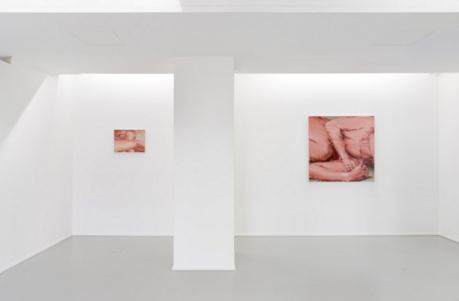
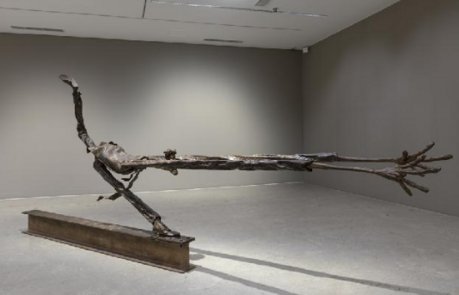
The exhibition showcases this transformation through multiple mediums, including three textile light sculptures that represent different stages of recovery. Williams developed these pieces specifically because her condition made her extremely sensitive to light, and she wanted to transform that vulnerability into a marker of progress. In addition to the light sculptures, the show includes porcelain works, paintings, a fabric installation, and a wooden screen, all reflecting the Manx environment's influence. Each piece encapsulates what Williams calls "quite painful, but beautiful life lessons" learned during her healing process. The materials themselves—textiles, clay, wood—speak to a return to elemental, tactile creation.
The ghostly, eerie atmosphere Williams creates in her work mirrors the experience of losing and slowly reclaiming one's sense of self. She intentionally evokes feelings of displacement and homecoming, using the island's wind-sculpted trees and ancient stone monuments as visual references. The exhibition's title captures this duality—the wildness of both nature and illness, the ache of transformation, and the unexpected beauty found in both. Viewers can sense the emotional weight of each piece while also recognizing the resilience required to create art under such challenging circumstances. The work resonates with anyone who has experienced a long-term health crisis and the slow process of rebuilding a life.
After its London run concludes at Bethlem Gallery, the exhibition will travel to the House of Manannan on the Isle of Man in 2027, bringing Williams's journey full circle. This future showing will allow local audiences to experience how their homeland supported one of its own through profound difficulty. Williams hopes her story encourages others facing chronic illness to find their own paths back to creativity and selfhood. Her experience demonstrates that art can serve not just as expression, but as a vital tool for healing and self-discovery during life's most challenging chapters.