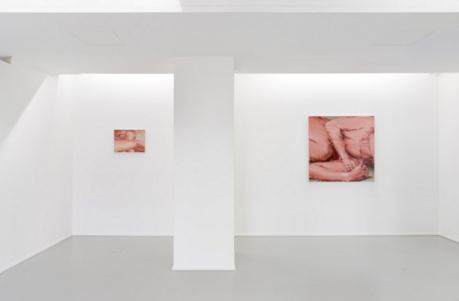
The Dynamo cultural center in Carmaux is currently hosting a solo exhibition featuring the contemporary works of local artist Christine Rey, marking a significant event in the region's fall arts calendar. The show, which opened earlier this month, presents a comprehensive survey of Rey's recent artistic explorations across various mediums including sculpture, painting, and digital installation. Located in the heart of this historic mining town in southwestern France, the Dynamo venue has become increasingly recognized for supporting emerging and mid-career artists from the Tarn department. The exhibition represents Rey's first major presentation in her hometown following several successful shows in larger metropolitan galleries across Toulouse and Montpellier.
Christine Rey has developed a distinctive artistic voice that combines traditional techniques with contemporary themes, drawing inspiration from the industrial heritage of her native region. Her work often incorporates materials and motifs that reference Carmaux's coal mining history while addressing universal concerns about memory, transformation, and community identity in the twenty-first century. Over the past decade, Rey has built a solid reputation for creating immersive installations that invite viewer participation and quiet contemplation. Her approach bridges the gap between fine art and social practice, frequently involving local residents in the creation process through workshops and collaborative sessions.
The Dynamo gallery, housed in a repurposed industrial building that once served the town's mining operations, provides an apt setting for Rey's work. The raw architectural elements of exposed brick and steel beams create a natural dialogue with her pieces, which often explore themes of labor, resilience, and post-industrial regeneration. Curators have arranged the exhibition to guide visitors through distinct thematic sections, each illuminating different aspects of Rey's artistic evolution over the past five years. The spacious main hall showcases her large-scale installations, while smaller side galleries feature more intimate drawings and mixed-media works on paper.
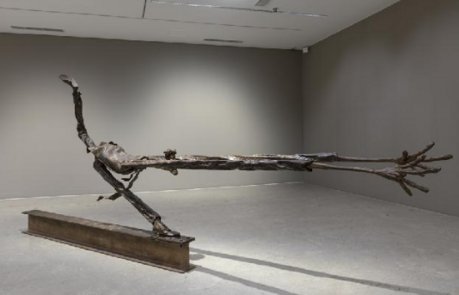
Among the highlights of the exhibition is a series of sculptural pieces constructed from reclaimed materials sourced from abandoned mining facilities throughout the region. These works demonstrate Rey's commitment to sustainability and her ability to transform forgotten industrial remnants into powerful aesthetic statements. Additionally, the show includes a new body of paintings that employ unusual pigments derived from local minerals, creating subtle earth-toned palettes that evoke the region's geological character. Several video projections document previous community-based projects, offering insight into her collaborative working method and the stories of local participants.
In conjunction with the exhibition, Dynamo has organized a robust program of educational workshops and artist talks designed to engage diverse audiences. School groups from across the Tarn region are participating in guided tours and hands-on activities that connect Rey's artistic concepts with local history and environmental awareness. A special panel discussion featuring the artist, regional historians, and fellow creators will explore the role of contemporary art in preserving industrial heritage. These initiatives reflect Dynamo's mission to serve as a cultural hub that fosters dialogue between artists and the community while supporting creative economy initiatives.
The exhibition continues through mid-December, with free admission made possible through support from the town of Carmaux and regional cultural funding agencies. Visitor hours are Tuesday through Saturday from 10 a.m. to 6 p.m., with extended evening hours on Fridays until 8 p.m. The venue is fully accessible and offers printed materials in both French and English. For those unable to attend in person, a virtual tour is available on Dynamo's website, featuring high-resolution images and video interviews with the artist discussing her creative process and deep connection to the region's past and future.