A stunning property transformation in England's picturesque Cotswolds region has captured the attention of design enthusiasts and celebrities alike, showcasing how historic agricultural buildings can be reimagined for contemporary living while preserving their essential character. The converted barn and dovecote, featured in a recent design spread, exemplifies the growing trend of A-listers seeking refuge in the quaint villages of this Area of Outstanding Natural Beauty, drawn by the promise of pastoral tranquility without sacrificing style or comfort. Writer Katy Campbell explores how this particular renovation balances respect for centuries-old architecture with fresh, modern interiors that feel both current and enduring.
The Cotswolds, spanning nearly 800 square miles across five English counties, has long been celebrated for its honey-colored stone villages, rolling hills, and distinctive medieval heritage. In recent years, the region has experienced an influx of high-profile residents—from Hollywood actors to tech entrepreneurs—fleeing the intensity of London and Los Angeles for a slower pace of life. This migration has sparked a renaissance in sensitive architectural restoration, where property owners invest considerable resources to maintain the region's historic fabric while adapting spaces for 21st-century needs. Local planning authorities have responded by enforcing strict guidelines that require new renovations to honor traditional building materials and proportions, making successful projects like this barn conversion particularly noteworthy.
The barn itself, originally constructed in the late 18th century, had served as a working agricultural building for generations before falling into disrepair. Its transformation preserved the massive oak beams, weathered stone walls, and cathedral-like proportions that define the structure's heritage. Architects carefully inserted modern steel supports where necessary, ensuring structural integrity without obscuring the original timber frame. Large, energy-efficient windows were strategically added to flood the interior with natural light while maintaining the building's rustic silhouette from the exterior. The result is a seamless blend of old and new, where visitors can appreciate the craftsmanship of 18th-century builders alongside contemporary sustainable design practices.
Perhaps the most unique feature of the property is the converted dovecote, a circular tower that once housed hundreds of pigeons for meat and eggs. These structures, common in medieval and early modern English estates, presented particular challenges for conversion due to their small windows and compartmentalized interior spaces. The design team transformed the dovecote into a private study and meditation space, preserving the original nesting holes as architectural features while adding a spiral staircase and skylight to create a sense of airiness. The tower's thick stone walls now provide natural insulation, making it a cozy retreat year-round and demonstrating how even the most specialized historic structures can find new purpose.
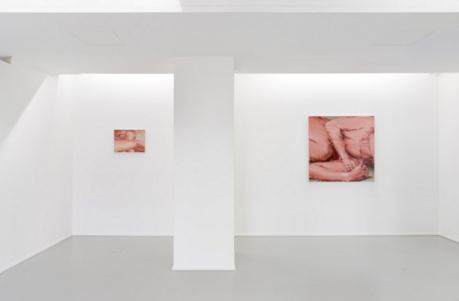
Inside the main barn, the interior design achieves the elusive "fresh yet timeless" quality through a carefully curated palette of natural materials and neutral tones. Designer Emma Sims-Hilditch, known for her work in the region, employed a strategy of layering textures—linen upholstery, reclaimed wood, hand-woven rugs, and locally sourced stone—to create visual interest without relying on trendy colors or patterns. The kitchen features a massive island crafted from a single slab of local limestone, paired with custom cabinetry painted in Farrow & Ball's "Cornforth White," a versatile gray that shifts with the light. Vintage furniture pieces from nearby antique markets sit alongside contemporary lighting fixtures, while contemporary art from London galleries provides pops of color against the stone walls. This approach ensures the space feels current but won't appear dated in a decade.
The success of this conversion reflects broader trends in luxury real estate and interior design, where authenticity and sustainability have become as valuable as square footage and location. As more celebrities and affluent buyers discover the Cotswolds, projects like this serve as models for how to honor rural heritage while creating homes that support modern lifestyles. The property demonstrates that timeless design isn't about replicating the past but about understanding which elements—proportions, materials, craftsmanship—transcend eras. For those considering similar renovations, the lesson is clear: invest in quality fundamentals, respect the original architecture, and let the building's history inform but not constrain the design. This philosophy ensures that converted spaces will remain relevant and beautiful for generations to come, much like the Cotswolds itself.