The global art market in 2025 can best be described as a year of adjustment rather than expansion. After the speculative highs of the post-pandemic boom and the subsequent cooling in 2023–2024, this year marked a phase of recalibration, in which excesses were pared back and structural shifts became more visible.
At the top end of the market, blue-chip works by modern and postwar masters continued to dominate auction headlines, but sales were more selective. Trophy works still found buyers, yet estimates were set more conservatively and sell-through rates reflected cautious bidding rather than exuberance. Collectors showed a clear preference for historically validated artists, with works by Picasso, Monet, Rothko, and Basquiat maintaining liquidity, while lesser-known names struggled to meet expectations.
In contrast, the ultra-contemporary segment experienced the sharpest correction. Artists who had seen meteoric price rises between 2020 and 2022 faced declining demand, and speculative flipping largely disappeared. Galleries and collectors alike shifted their focus from short-term gains to artistic depth, institutional validation, and long-term career development. This reset, while painful for some, is widely seen as a necessary step toward market sustainability.
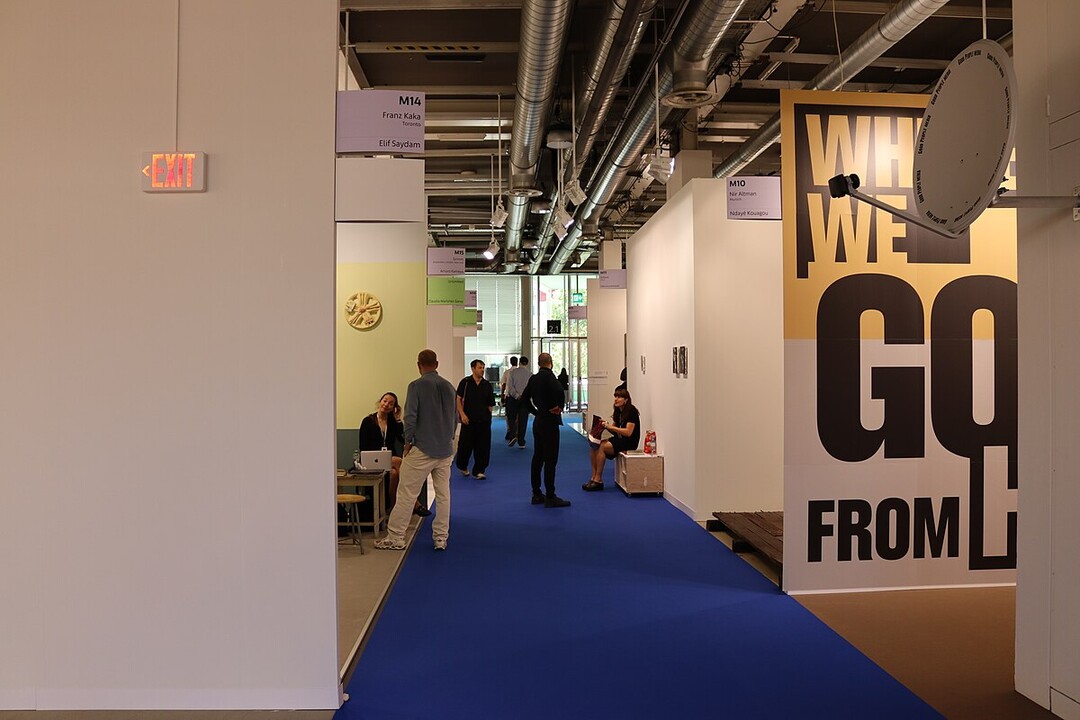
Art fairs in 2025 reflected this changing mood. Major fairs such as Art Basel, Frieze, and TEFAF reported steady but uneven sales, with fewer headline-grabbing deals and more mid-range transactions. Dealers emphasized relationship-building over rapid turnover, and many noted that collectors were taking longer to decide, often returning on later days rather than buying impulsively on VIP openings. Regional fairs gained relative importance as well, signaling a decentralization of the market away from a handful of global hubs.
Geographically, the market continued to fragment. The United States remained the single largest art market, but growth was muted amid economic uncertainty and high interest rates. Europe showed resilience, particularly in Germany and France, where institutional acquisitions provided a stabilizing force. Asia presented a mixed picture: while China’s market remained constrained by regulatory and economic pressures, South Korea and Japan emerged as comparatively stable nodes, supported by strong collector bases and active museum programming.
Another defining feature of 2025 was the growing intersection of art, technology, and policy. The NFT market, once emblematic of speculative excess, settled into a niche ecosystem focused on digital-native art rather than mass-market hype. Meanwhile, debates around AI-generated art intensified, raising unresolved questions about authorship, copyright, and artistic labor. Rather than disrupting the market overnight, these technologies prompted slower, more reflective forms of adoption.
Institutional influence also expanded this year. Museums and biennials played a more decisive role in shaping market narratives, particularly for artists working at the intersection of social practice, environmental issues, and identity politics. Collectors increasingly looked to curatorial frameworks and critical discourse as indicators of value, signaling a shift away from purely market-driven validation.
In sum, the global art market in 2025 was neither a boom nor a bust, but a moment of consolidation. Liquidity narrowed, speculation receded, and long-term value regained importance. While growth was modest, the market’s underlying structures appeared healthier than in the years of unchecked expansion. The prevailing lesson of the year was clear: in a more sober economic climate, art markets reward patience, credibility, and cultural relevance over speed and spectacle.
SayArt.net
Jason Yim yimjongho1969@gmail.com