The Studio Museum in Harlem has officially unveiled its new $160 million building designed by renowned British-Ghanaian architect David Adjaye. The museum, situated at African Square on 125th Street, opened its doors in late 2025, representing a monumental transformation for an institution that began in a modest loft above a liquor store in 1968. The new structure stands prominently between a generic glass cube housing a mobile service provider's customer center and a richly ornamented 19th-century warehouse, creating an eclectic architectural trio that mirrors Harlem's complex and fractured character. Adjaye's distinctive black concrete facade immediately sets the building apart from its neighbors while generating intense debate about its relationship to the surrounding community and its role in the neighborhood's future.
New York Times architecture critic Michael Kimmelman described the building as "muscular," observing how its weighty presence appears to contradict the museum's stated goal of opening itself completely to the neighborhood and becoming an integral part of Harlem. The fractured, multi-layered facade has been interpreted as an abstract essay on Blackness, though this conceptual reading may not be immediately apparent to casual passersby. Adjaye incorporated design elements inspired by Harlem's iconic fire escapes, which traditionally serve as crucial social gathering spaces, by relocating these typical exterior staircases into the building's interior atrium. This architectural gesture attempts to internalize a piece of neighborhood culture, though its effectiveness in fostering genuine community connection remains uncertain and has sparked discussion among local residents.
When the Studio Museum first opened its doors in 1968, the United States was at the height of the civil rights movement, Martin Luther King Jr. had just been assassinated, and Harlem was experiencing some of the worst unrest in its history. The museum's original mission was to provide workspace and exhibition opportunities for dramatically underrepresented African American artists, keeping these activities physically and spiritually close to the community. Collecting art was not part of its initial purpose. Today, the institution has evolved into a globally significant center for the culture of the African diaspora, holding over 9,000 works by Black artists including Jacob Lawrence, Romare Bearden, Jean-Michel Basquiat, and Kehinde Wiley, with its collection valued at approximately $300 million.
The past five years have brought unprecedented changes to American cultural institutions. Following George Floyd's murder in 2020, museums nationwide rushed to embrace the very practices the Studio Museum had pioneered for over fifty years: exhibiting, promoting, and collecting Black art. However, Donald Trump's return to power has placed intense pressure on cultural institutions to reverse their diversity and inclusion efforts. Meanwhile, Harlem faces an overwhelming wave of gentrification that threatens to displace the very community the museum was created to serve, raising questions about the institution's role in either resisting or unintentionally accelerating this process.
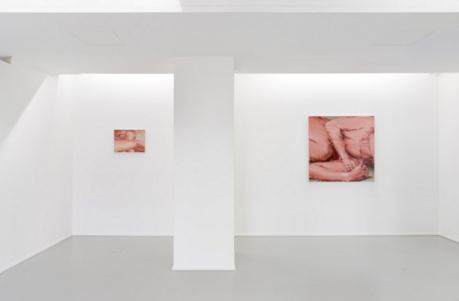
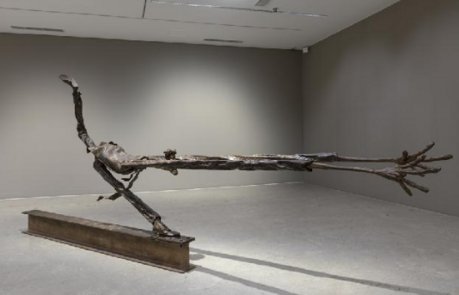
Director Thelma Golden views the museum as a steady anchor amid these turbulent times, maintaining its role as a space defined boldly and radically by the voices and visions of Black artists. The opening exhibition showcases an impressive range of what Black art has been and can be over the past two centuries, from early 19th-century portraits to contemporary performance pieces by David Hammons. Golden hopes the museum will be a place that inspires hope and enables meaningful engagement with complex ideas about race, identity, and culture. However, this vision faces numerous challenges that extend beyond political hostility.
The greatest threat to Golden's vision may not be hostile politics in Washington, but rather the risk that Black art will continue to be trendy despite Trump's policies, potentially turning the Studio Museum into a pilgrimage site for "coolness hunters" and cultural tourists. Such popularity would inevitably accelerate Harlem's gentrification, particularly with a building designed by a star architect that itself becomes a destination. As an established institution, the museum already navigates complex interests involving finance, politics, and real estate, much like other major New York museums. Golden must carefully balance the museum's community roots with its institutional status in this complicated terrain, ensuring it remains true to its founding mission while adapting to its new reality.