Korean traditional arts no longer occupy an entirely unfamiliar position in the global market. Joseon white porcelain and Goryeo celadon are traded as established collecting categories, Korean makers have received major international craft prizes, and productions based on pansori and changgeuk have entered the programs of prominent overseas venues.
Traditional arts, however, should not be treated as a single market. Joseon ceramics circulate primarily through the secondary market for historical art. Contemporary craft is sold through galleries, art fairs and commissions. Performing traditions such as pansori and mask dance generate value through touring, co-production, ticket sales and audiovisual rights.
These fields operate differently, but much of their international appeal comes from a shared attention to material and process. Porcelain, lacquer, hanji, horsehair, wood and metal often retain visible evidence of labor and transformation. Time accumulated through making becomes part of the object’s value, distinguishing it from standardized production.
It is also inaccurate to reduce Korean traditional art to a single language of restraint or empty space. The asymmetry of a moon jar exists alongside the vivid color and narrative of folk painting, the satire and collective energy of mask dance, the precision of court craft and the practicality of domestic objects. Its strength lies in the range of these visual and performative languages.
The capacity to establish high prices has already been demonstrated in selected categories. An 18th-century Joseon moon jar sold for $4.56 million at Christie’s New York in March 2023, setting an auction record for Korean moon jars. Another example sold at the same auction house for $2.833 million in March 2025.
Christie’s 2025 Japanese and Korean Art sale totaled $8.849 million and achieved an 86 percent sell-through rate by lot. The auction house reported that 18 percent of buyers and bidders were new to the category and that millennials accounted for 15 percent of buyers. These figures indicate an expansion of interest beyond established collectors.
At the same time, the $2.833 million moon jar represented about 32 percent of the entire sale total. This suggests that signature objects possess considerable pricing power, but demand remains concentrated in a limited number of recognizable categories. Success in moon jars does not automatically create equivalent markets for lacquer, woodwork, metalwork, textiles or folk painting.
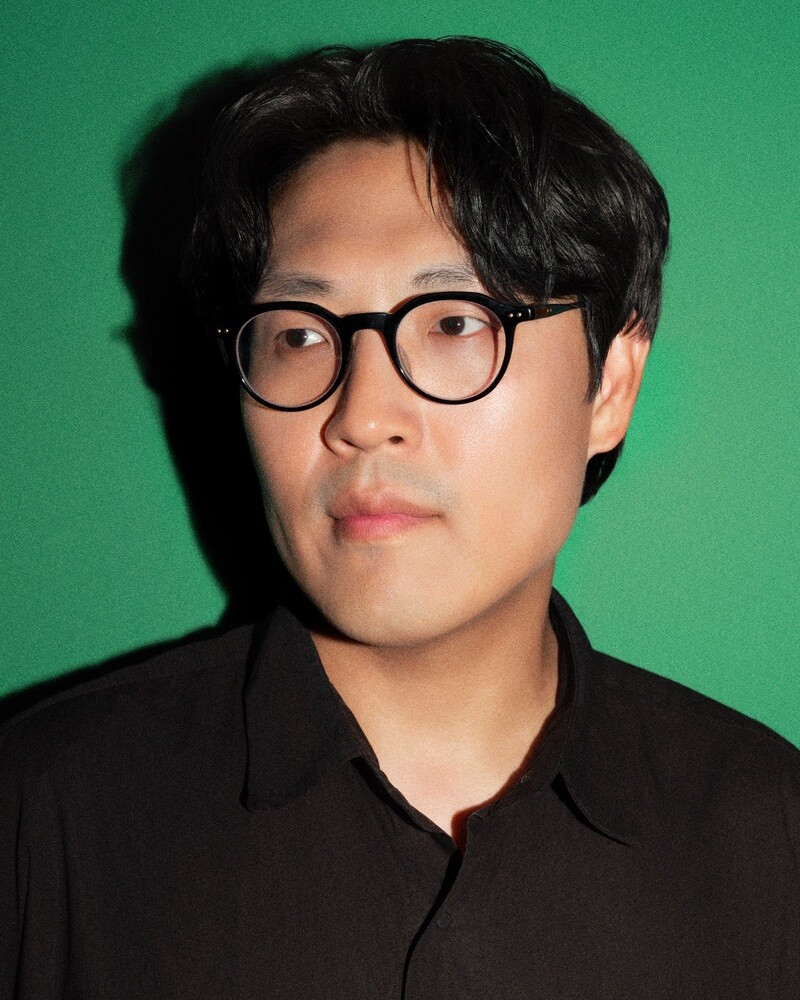
Contemporary craft provides evidence of broader potential. In 2022, Dahye Jeong won the LOEWE FOUNDATION Craft Prize with “A Time of Sincerity,” which transformed a 500-year-old Korean horsehair-weaving technique into a translucent sculptural vessel.
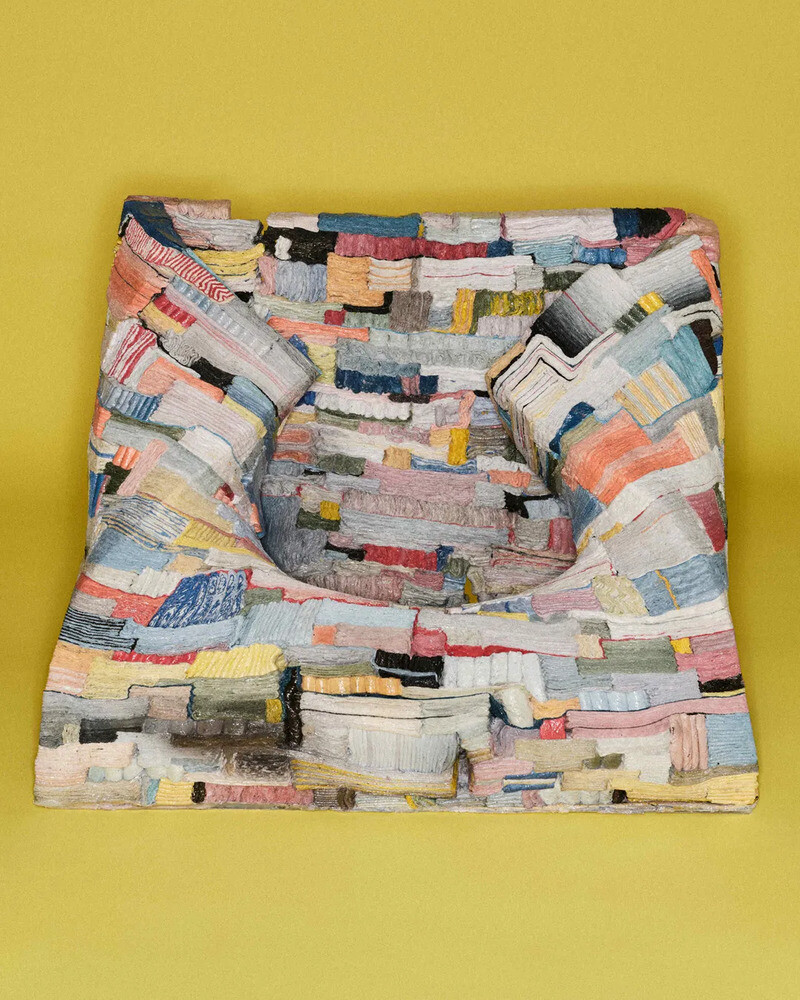
In 2026, Korean ceramic artist Jongjin Park received the same prize for “Strata of Illusion.” The work was made by layering paper coated in porcelain slip and firing the structure until the paper disappeared, leaving the ceramic strata behind. It moved between the languages of craft, sculpture and furniture.
Two Korean winners within four years indicate that Korean craft is being evaluated for more than its folkloric distinction. The international craft sector increasingly values works that understand the context of inherited techniques while proposing new forms, processes and uses.
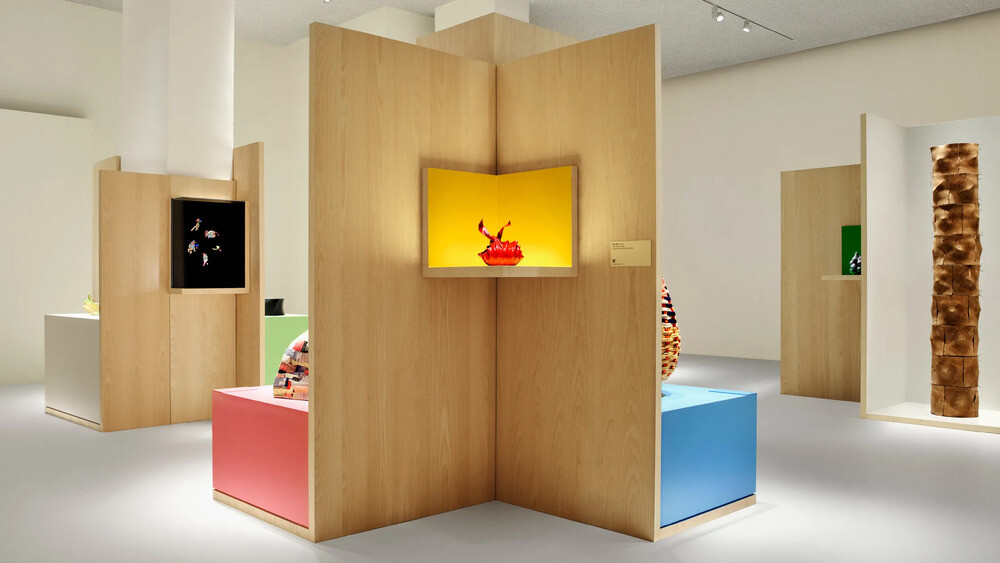
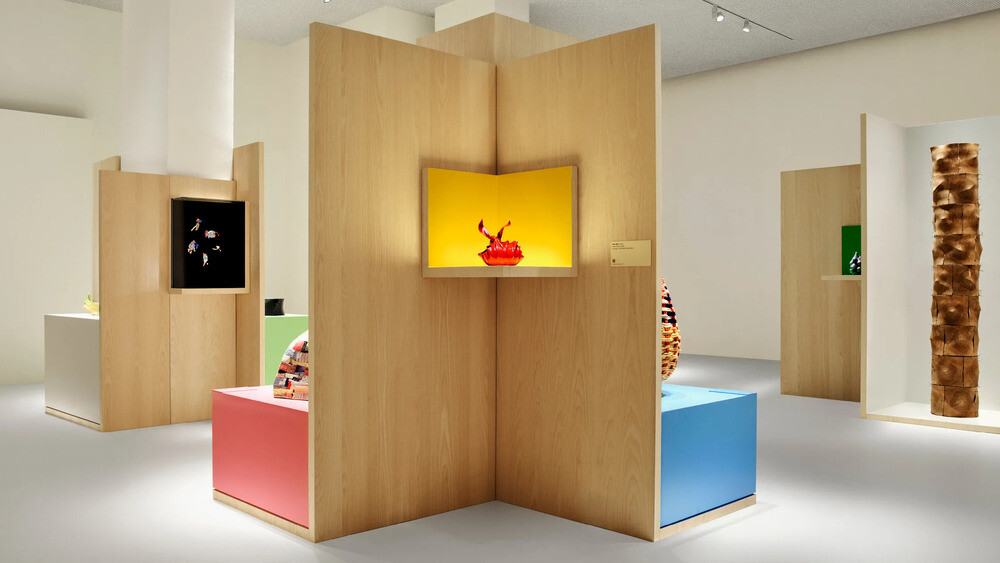
Museums are also moving from occasional introductions toward sustained collecting and research. The Metropolitan Museum of Art presented approximately 100 works dating from the fifth century to the present in “Colorful Korea,” held from 2024 to 2026. Its Arts of Korea gallery continues to display and study Goryeo celadon and Buddhist painting as well as Joseon porcelain and lacquer.
The performing arts offer another model of circulation. The National Changgeuk Company of Korea’s “Trojan Women” combined pansori with Greek tragedy and toured to Singapore, London, Amsterdam and Vienna before appearing at the Edinburgh International Festival in 2023. It was distributed not as a short heritage demonstration but as a complete contemporary production.
The Republic of Korea currently has 23 elements on UNESCO’s Intangible Cultural Heritage lists, including pansori, the Royal Ancestral Ritual and its music, nongak and talchum. The number is not a measure of commercial value. It does, however, confirm the breadth of Korea’s source material across visual art, music, theatre, dance and ritual.
The next task is to convert recognition into sustainable circulation and production. International presentations need to identify individual makers, regional contexts, materials and techniques rather than relying on the general label of “Korean aesthetics.” In historical art, provenance, dating and condition reporting determine market confidence. Contemporary craft and performance require English-language scholarship, archives, specialist galleries, agents and long-term co-production partners.
High auction prices for historical objects alone cannot maintain a living tradition. Makers must receive adequate compensation, and younger practitioners need viable reasons to learn time-intensive skills. Conservators, researchers, translators, curators and producers are also part of the economic structure.
The global value of Korean traditional arts does not rest solely on their age. It lies in the ability to preserve accumulated knowledge while reorganizing it as contemporary objects and performances. Individual records and awards have already demonstrated that potential. The priority now is to extend those successes into durable circulation across a wider range of artists, makers and disciplines.
SayArt.net
Jason Yim yimjongho1969@gmail.com