South Korea's classical music scene is launching 2026 with an ambitious array of New Year's concerts that blend traditional repertoire with contemporary cultural elements. Major concert halls and cultural institutions across the nation have prepared diverse programs featuring government-hosted galas, institutional series, and performances by internationally acclaimed artists. January's lineup reflects the country's vibrant musical landscape and its efforts to make classical music more accessible to broader audiences. The month-long celebration includes performances by top orchestras, award-winning soloists, and emerging talents who represent the future of Korean classical music. This comprehensive programming demonstrates the industry's recovery and innovation following recent global challenges.
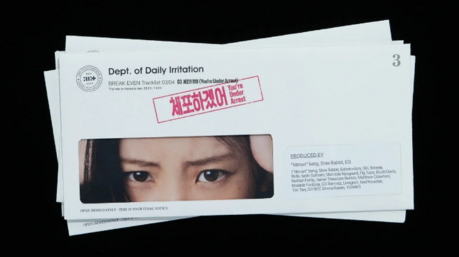
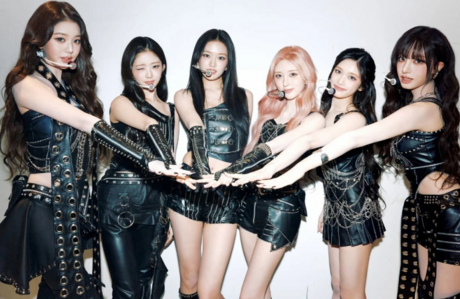
On January 7, the government-hosted 2026 New Year Concert at Seoul Arts Center will feature the KBS Symphony Orchestra under conductor Hong Seok-won. The program opens with "Sujecheon Resounds" by Choi Woo-jung, winner of the 2025 Culture and Arts Award, followed by performances from violinist Im Ji-young, winner of the 2015 Queen Elisabeth Competition. Pianist brothers Lee Hyuk and Lee Hyo will perform Bach's Concerto for Two Keyboards, showcasing their exceptional musical bond. The concert will also include orchestral arrangements of music from the animated film "KPop Demon Hunters," featuring tracks "Golden" and "Soda Pop" that bridge popular culture and classical performance. The evening concludes with Korean art songs performed by the National Chorus of Korea, celebrating national artistic achievement.
Also on January 7, the Sejong Center for the Performing Arts initiates its yearlong "Classics for All" series with the Gyeonggi Philharmonic Orchestra. Conductor and pianist Kim Sun-wook leads the ensemble with soloist Sunwoo Ye-kwon, the first Korean winner of the Van Cliburn International Piano Competition in 2017. This series, curated based on audience preference surveys, will spotlight eight leading national and public symphony orchestras throughout the year. The program focuses on cornerstone repertoire by Beethoven, Brahms, Tchaikovsky, and Rachmaninoff, chosen specifically for their broad appeal. The inaugural concert features Rachmaninoff's Piano Concerto No. 2 and Beethoven's Symphony No. 5, offering an approachable entry point for newcomers.
The Seoul Philharmonic Orchestra welcomes 2026 on January 9 at Lotte Concert Hall with music director Jaap van Zweden. Austrian pianist Rudolf Buchbinder makes his debut with the orchestra, performing Gershwin's Piano Concerto in F, a 30-minute work that blends classical structure with jazz idioms. The second half includes Schubert's Symphony No. 8 "Unfinished" and Respighi's "Pines of Rome," creating a program that spans different eras and styles. On January 11, the Korean National Symphony Orchestra presents its New Year concert at Seoul Arts Center Concert Hall with newly appointed music director Roberto Abbado. The program emphasizes Italian repertoire, including works by Rossini, Respighi, and Verdi, signaling the orchestra's artistic direction for the upcoming seasons and highlighting Abbado's operatic expertise.
Rising talents receive special attention at several dedicated concerts throughout January. On January 29, the Daewon Cultural Foundation presents conductor Yoon Han-kyeol, winner of the 2023 Herbert von Karajan Young Conductors Award, and violinist Kim Seo-hyun, youngest winner of the Tibor Varga International Violin Competition. Their "Night of Tchaikovsky" program includes the composer's Violin Concerto and Symphony No. 4, works demanding both lyrical depth and explosive energy. Additionally, baritone Kim Tae-han, winner of the 2023 Queen Elisabeth Competition and Kumho Art Hall's first vocalist artist-in-residence, performs his "Persona" program on January 8. This unique concert weaves together solo arias from operas by eight composers, presented as introspective confessions rather than traditional performance pieces.
These diverse offerings demonstrate Korea's commitment to nurturing both established and emerging classical artists while expanding audience reach across different demographics. The emphasis on audience-curated programming and multimedia elements reflects modern trends in classical music presentation that engage younger listeners. Industry observers note that this approach helps demystify classical music for newcomers while maintaining artistic integrity and educational value. The success of these New Year concerts will likely influence programming decisions throughout 2026, as institutions continue balancing tradition with innovation. This strategic direction positions Korean classical music to thrive in an increasingly competitive global cultural landscape.