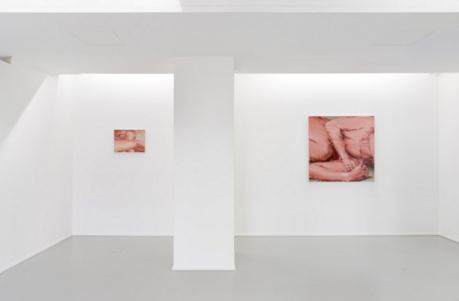
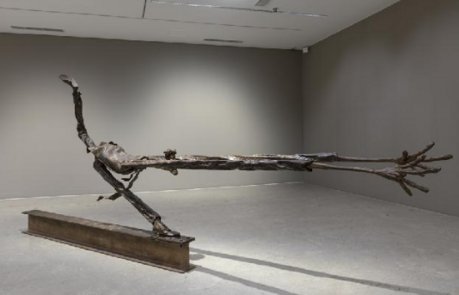
The Museum of Fine Arts, Boston has unveiled a bold new installation of modern art within its traditionally historic galleries, creating a striking dialogue between past and present. The recently acquired collection, featuring works from the 1960s to the present, occupies a renovated wing that opened to the public last week. Curators deliberately placed contemporary pieces alongside the museum's renowned collection of classical and impressionist works. This curatorial choice challenges visitors to find connections across centuries of artistic expression. The modern art gallery has quickly become one of the museum's most talked-about spaces.
The new installation features 35 works by 28 artists, including major pieces by Mark Rothko, Jean-Michel Basquiat, and Kara Walker. A standout acquisition is a massive canvas by Julie Mehretu that commands an entire wall, its layered lines and colors creating a visual bridge to the abstract expressionist rooms nearby. The modern art wing also includes a dedicated space for time-based media, featuring video installations and digital art. Museum director Matthew Teitelbaum emphasized that this addition 'completes a narrative that was waiting to be told.' The $45 million renovation took three years to complete, funded entirely by private donations.
What makes this modern art collection a 'new gem' is its thoughtful integration with the existing collection. Rather than creating a separate, isolated space, curators positioned works to create visual and thematic conversations. A Cy Twombly painting hangs near a gallery of classical antiquities, highlighting shared interests in mark-making and myth. A large-scale photograph by Cindy Sherman is displayed across from 19th-century portraiture, inviting comparisons of identity and performance. This approach encourages visitors to see modern art not as a break from tradition, but as its evolution. The layout also includes comfortable seating areas where guests can contemplate these juxtapositions.
Educational programming has been significantly expanded to help visitors engage with the modern collection. Daily guided tours focus on specific themes like 'Abstraction Across Eras' and 'Political Art Then and Now.' The museum has also created a free mobile app with audio commentary from artists and curators. For younger audiences, interactive stations allow them to create their own modern art inspired by what they see. These efforts address a common challenge: making modern art accessible without diluting its complexity. Early visitor surveys show a 40% increase in time spent in the modern art galleries compared to the previous contemporary space.
The addition of modern art to the MFA's historic galleries reflects a broader shift in how American museums present their collections. Many institutions are moving away from strict chronological separations toward more dynamic, thematic arrangements. This approach helps attract younger, more diverse audiences while satisfying longtime patrons. The MFA's strategy is particularly notable given its reputation for traditional, Eurocentric collections. By elevating modern art to equal status with its historic treasures, the museum is redefining its identity for the 21st century. The move has already inspired other regional museums to reconsider their own collection presentations.
'Modern Art at the MFA' is now a permanent part of the museum's offerings, with plans to rotate the collection every 18 months. The next phase will include acquiring more works by underrepresented artists, particularly women and artists of color. Admission to the modern art galleries is included with general museum entry, which remains free for Boston residents on Wednesday evenings. Whether you're a modern art enthusiast or a traditionalist, this new gem offers fresh perspectives on how art history continues to unfold. The museum has successfully proven that innovation and tradition can not only coexist but enrich each other.