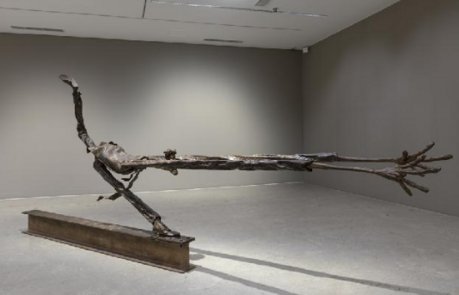
Maltese sculptor Antoine Paul Camilleri has opened a new solo exhibition that directly challenges how audiences interact with contemporary art. The show, titled 'Sit Awhile,' transforms the gallery space into a series of restful environments where visitors are encouraged to physically engage with the artwork by sitting and remaining still. This approach represents a deliberate rejection of the typical museum experience, which often prioritizes quick viewing and constant movement. Camilleri's installation consists of sculptural seating elements carved from native limestone, each positioned to frame specific views of the surrounding space. The work opened earlier this month at a prominent Valletta arts venue and has already sparked conversations about the role of contemplation in cultural consumption.
The artist's background in architecture heavily influences his approach to creating immersive, spatial experiences. Born in Malta in 1969, Camilleri studied at the University of Malta before developing his practice in Europe and the United States. His work consistently explores the relationship between the human body, time, and physical space, with this latest installation representing his most explicit invitation to viewers to slow down. Previous exhibitions have featured sound elements and tactile surfaces that reward extended observation. The current show builds on these interests by making duration itself a central component of the artwork.
Three primary sculptures anchor the exhibition, each a functional bench weighing several tons yet designed with ergonomic considerations. The limestone surfaces feature subtle carved patterns that shift in appearance as natural light changes throughout the day. Camilleri selected the material for its historical resonance, as Maltese limestone has been used in the island's architecture for millennia. The placement of each piece creates sight lines that draw attention to often-overlooked architectural details of the gallery itself. Visitors who spend time sitting report discovering new aspects of both the sculptures and their surroundings.
The installation has resonated particularly strongly with local communities seeking refuge from Malta's busy tourist season. Art educators have begun bringing students to experience the work as part of mindfulness curricula, while elderly visitors appreciate the rare opportunity to rest while engaging with contemporary art. Critical reviews have praised Camilleri's ability to make conceptual art accessible through simple, direct interaction. The artist's focus on slowness offers a counterpoint to digital culture's emphasis on speed and constant stimulation. This accessibility has helped democratize the contemporary art experience for audiences who might otherwise feel intimidated.
Camilleri's work reflects growing international interest in art that prioritizes experience over objecthood. His approach connects to minimalist traditions while incorporating Mediterranean cultural values around rest and public space. The exhibition raises questions about how museums can better serve visitors seeking meaningful engagement rather than mere spectacle. By removing barriers to understanding, Camilleri demonstrates that profound artistic experiences can emerge from simple acts of presence. The installation serves as a model for how cultural institutions might rethink visitor experience.
The exhibition continues through December at the Valletta Contemporary Arts Center, with free admission during weekday afternoons. Camilleri plans to hold monthly public discussions about art and contemplation, further extending the work's community impact. Whether visitors stay for five minutes or an hour, the installation proves that art's power often lies not in complexity but in invitation. In asking viewers to simply sit and observe, Camilleri has created one of the most talked-about exhibitions of the year. The work stands as a testament to how slowing down can deepen our connection to both art and place.