[Seoul] The return of BTS to the global stage in Seoul’s Gwanghwamun was more than a concert. It was a cultural event that revealed the full architecture of K-pop’s global power—where music, technology, national identity, and public space converge.
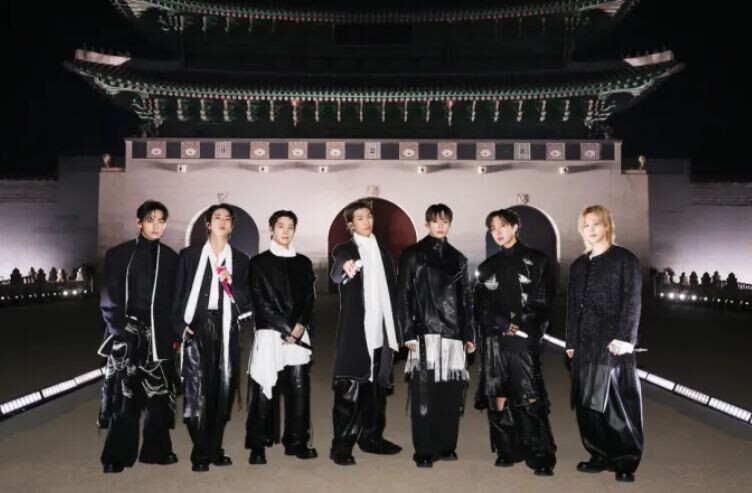
After a hiatus of three years and five months, BTS reunited in a performance that blended traditional Korean motifs with contemporary pop spectacle. Set against the historic backdrop of Gwanghwamun, the concert transformed a symbolic civic space into a global cultural stage. Broadcast live to more than 190 countries via Netflix, it also underscored a fundamental shift: concerts are no longer bound by geography, but redefined as borderless digital experiences.
International media quickly framed the event as a landmark moment—not only for K-pop, but for the globalization of culture itself. At home, the response was more layered. While praised for its scale and flawless execution, the concert also sparked debate over public resource allocation, crowd control, and the role of large-scale entertainment in shared urban spaces.
Yet beyond logistics and economics, a deeper question lingers—one that speaks to the evolving role of global artists in a fractured world.
At a time when conflicts continue to unfold across regions—from Eastern Europe to the Middle East—the absence of an explicit message of peace in such a globally visible event has drawn quiet reflection. BTS, long associated with themes of youth empowerment, self-acceptance, and social connection, occupies a unique position in global culture. Their voice has often resonated beyond music, shaping conversations across borders.
This is precisely why the Gwanghwamun performance invites a subtle but meaningful critique. Not as a dismissal of its achievements, but as a recognition of its unrealized potential.
Had the concert carried a more direct or symbolic articulation of peace, its impact might have extended further—beyond cultural celebration into the realm of global discourse. In an era where artists are increasingly seen as participants in shaping public consciousness, silence can be as telling as expression.
Still, the significance of the event remains undeniable. Economically, it reaffirmed the scale of what some call “BTS-nomics.” Culturally, it reimagined how national identity can be performed and exported. Spatially, it redefined the function of a city square—turning Gwanghwamun from a site of history and protest into a platform for global connection.
But perhaps its most lasting legacy lies in the expectations it leaves behind.
BTS is no longer just a music group. It has become a cultural institution, a national symbol, and increasingly, a global voice. With that transformation comes a shift in what audiences seek—not only performance, but perspective; not only spectacle, but meaning.
The Gwanghwamun concert succeeded on nearly every measurable level. Yet it also posed a question that lingers beyond the final note:
What should global culture say in a time of global conflict?
For now, that question remains open. And at its center stands BTS.
SayArt.net
Kang In sig insig6622@naver.com