SEOUL — As spring settles over the capital, Seoul’s art scene is entering one of its most dynamic periods in recent years. What might once have been a routine seasonal turnover has instead become a convergence point—where global heavyweights, experimental practices, and new institutional ambitions are reshaping how the city engages with contemporary art.
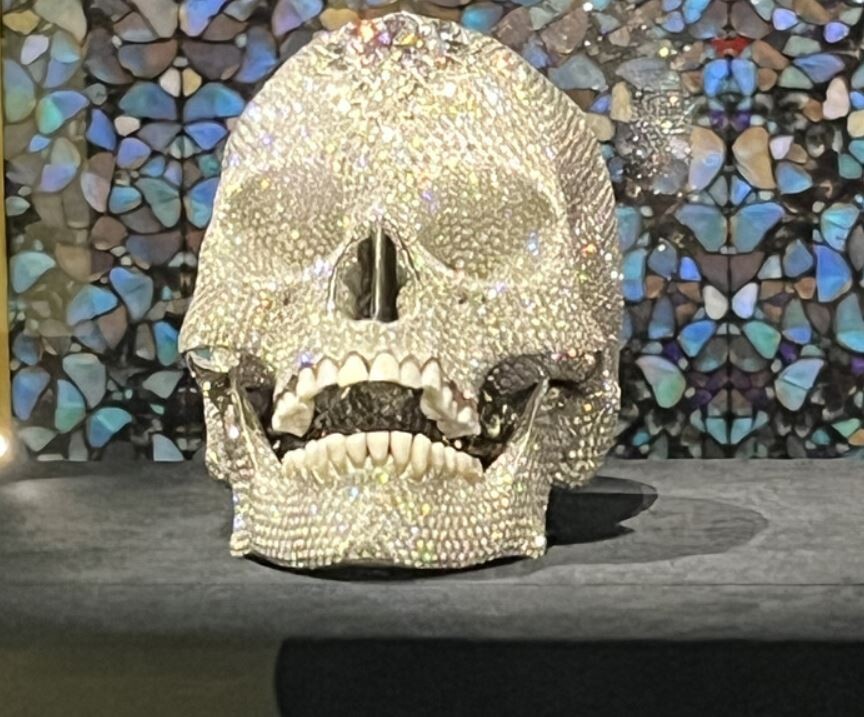
At the center of this momentum is the National Museum of Modern and Contemporary Art (MMCA), where Damien Hirst is drawing sustained attention with a major exhibition widely described as his most comprehensive presentation in Asia to date. The show spans more than three decades of work, from the iconic formaldehyde-preserved animals of his Natural History series to the color-saturated Spin Paintings and more recent large-scale canvases.
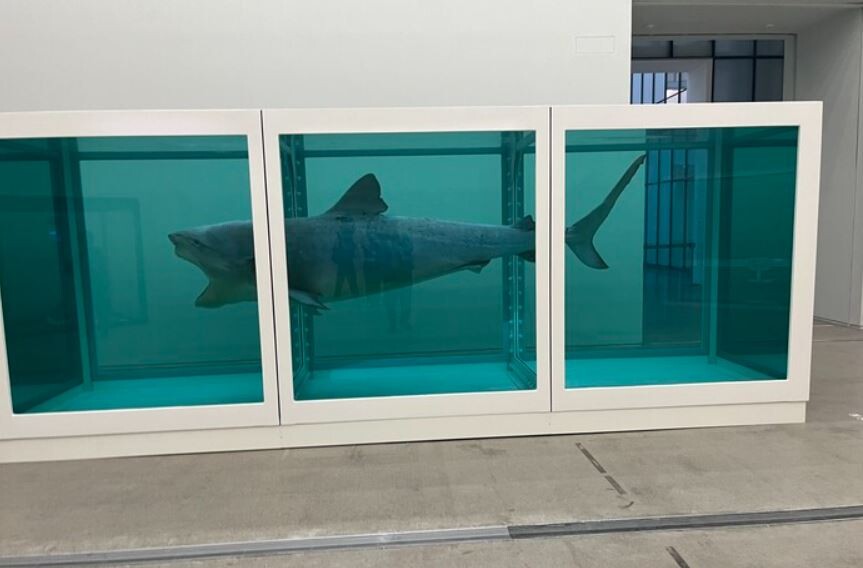
The exhibition’s curatorial arc underscores Hirst’s long-standing engagement with mortality, belief systems, and the aesthetics of science. For many visitors, the experience is less about viewing individual works and more about confronting a consistent philosophical inquiry: how contemporary society processes death in an age of spectacle and commodification. The scale of the exhibition—and the crowds it continues to draw—also reflects a broader shift in Seoul, where public institutions are increasingly embracing blockbuster programming as a way to engage wider audiences.
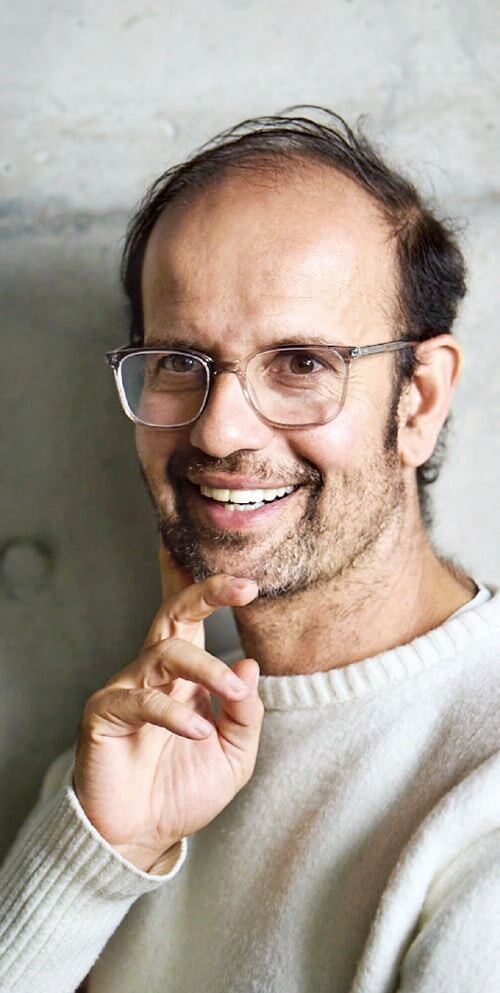
Across the city in Hannam-dong, the atmosphere changes dramatically at the Leeum Museum of Art, where Tino Sehgal presents a radically different proposition. Known for his “constructed situations,” Sehgal eliminates physical objects altogether, replacing them with live, choreographed interactions between performers and visitors. There are no photographs, no recordings, and no material residue. The work exists only in real time, challenging the conventions of ownership, documentation, and even memory. In contrast to the material density of Hirst’s installations, Sehgal’s practice foregrounds absence—yet demands an equally intense form of engagement.
Meanwhile, Seoul’s cultural geography itself is expanding. In the northern district of Dobong-gu, the newly opened Seoul Museum of Photography (SeMP) marks the city’s first institution dedicated exclusively to photography, signaling a growing recognition of the medium’s role in contemporary discourse. To the southwest, the West Seoul Museum of Art has launched its inaugural exhibition, positioning itself as a platform for exploring the intersections between local narratives and global artistic currents. Together, these developments suggest a decentralization of Seoul’s art ecosystem, long concentrated in a handful of central districts.
For those navigating the city’s galleries today, March 29 carries particular significance. At MMCA Gwacheon, the exhibition “Infinite Metamorphosis” by Shin Sang-ho closes, bringing to an end a major survey of one of Korea’s leading ceramic artists and his decades-long exploration of material transformation. At the Seoul Museum of Art (SeMA), “Proximities,” an exhibition examining cross-cultural dialogue in contemporary practice, also concludes its run, alongside the public-facing “Seoul My Soul” pop-up at Seoul Plaza.
Taken together, these exhibitions outline a city in transition—one that is negotiating between spectacle and experimentation, permanence and ephemerality, global influence and local identity. Whether drawn by the monumental presence of Hirst or the intangible encounters of Sehgal, visitors are encountering more than isolated exhibitions. They are witnessing a moment in which Seoul is actively redefining what an art city can be.
And like all moments shaped by time, this one comes with an implicit condition: it will not last.
SayArt.net
Sharon Jung guhuijeong784@gmail.com