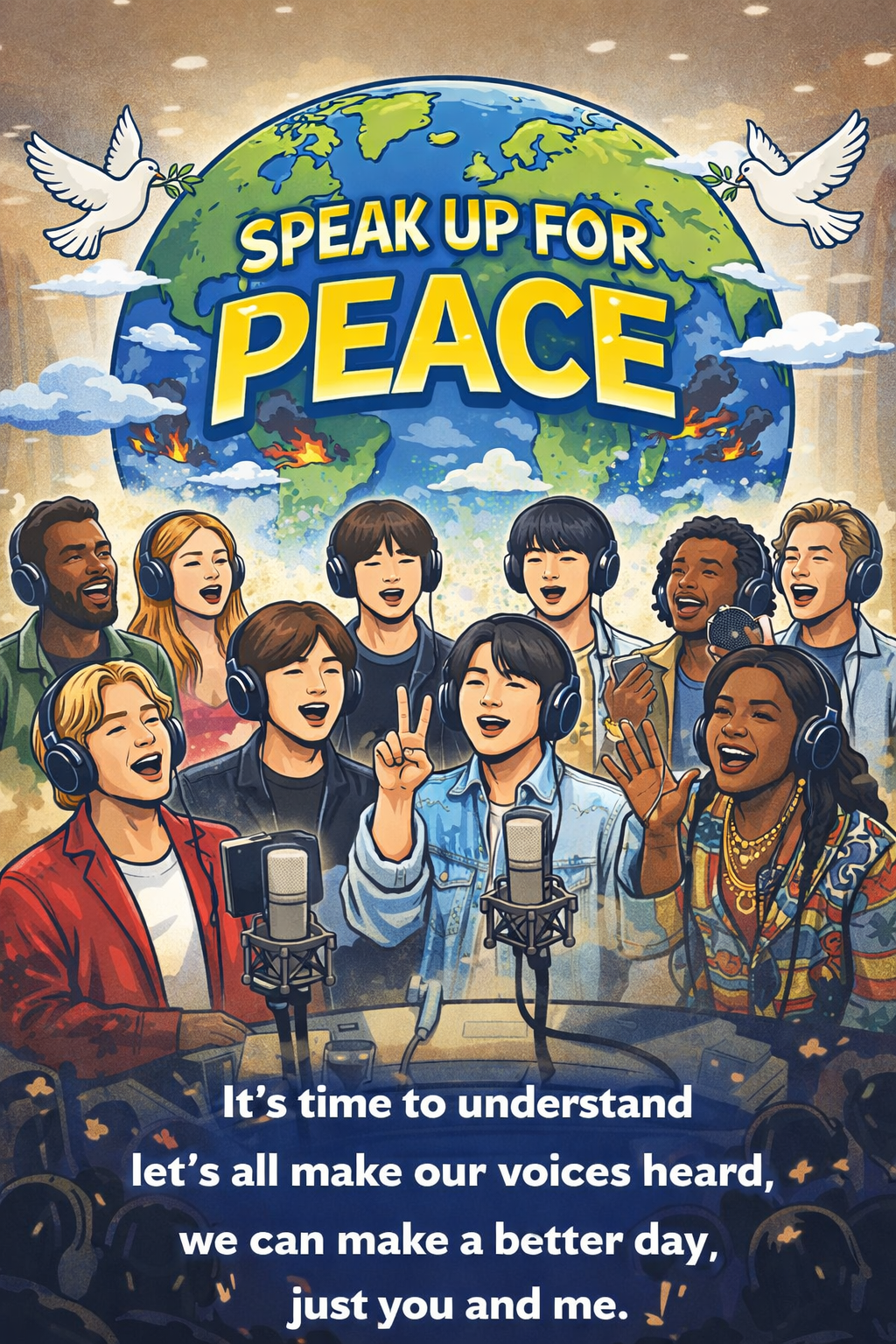
In an era marked by escalating conflicts and deepening global divisions, the role of cultural figures is quietly but fundamentally changing. Artists are no longer seen solely as entertainers; they are increasingly viewed as voices capable of shaping public consciousness. In this shifting landscape, globally influential figures like BTS occupy a unique and consequential position.
The world today is not short of crises. From prolonged war zones to emerging geopolitical tensions, images of conflict circulate instantly and relentlessly. In such a climate, silence—especially from those with immense global reach—can feel conspicuous. This is not to suggest that artists must become politicians or policy advocates. Rather, it raises a more nuanced question: what responsibility, if any, comes with having the attention of millions across borders?
BTS has, over the years, cultivated a reputation that extends beyond music. Their messages of self-acceptance, youth empowerment, and emotional resilience have resonated globally, often transcending language and culture. Their partnership with international institutions and their past engagement with themes of unity have reinforced the perception that they are not just performers, but cultural interlocutors.
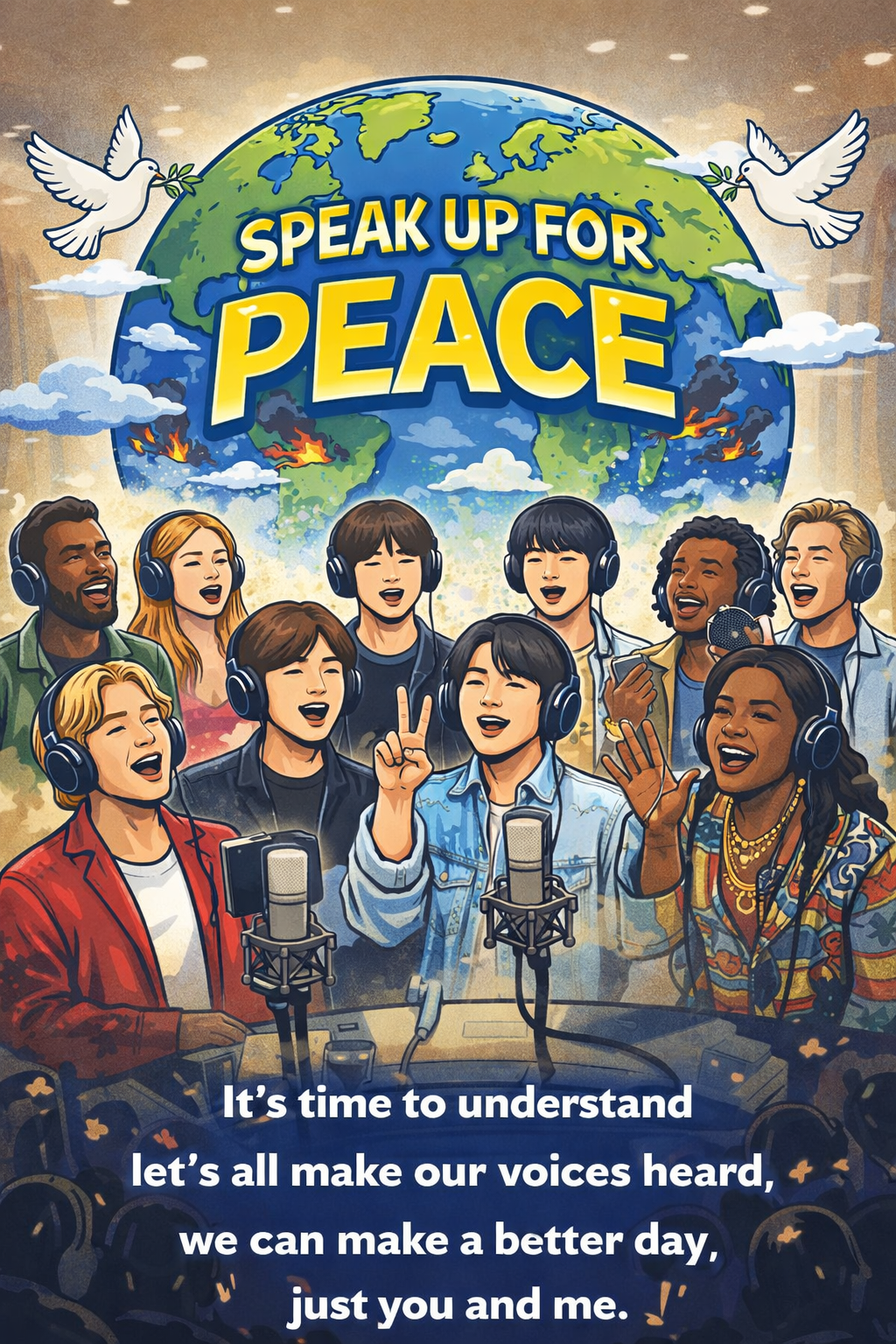 It is precisely because of this legacy that moments of global crisis invite renewed expectations. When audiences gather—whether physically at concerts or virtually through global broadcasts—they are not only consuming performance, but also seeking meaning. In times of uncertainty, even a brief acknowledgment of shared human vulnerability, a gesture toward peace, or a symbolic statement of solidarity can carry profound weight.
Critics may argue that placing such expectations on artists risks overburdening them or instrumentalizing culture for moral purposes. There is merit in that concern. Art should not be reduced to obligation. Yet influence, by its very nature, generates a form of gravity. It draws attention, shapes discourse, and inevitably intersects with the world beyond the stage.
The question, then, is not whether artists must speak, but whether they can afford not to. When a platform is as vast as that of BTS, even the smallest message can ripple outward—across nations, across languages, across divides.
In a fragmented world, where political dialogue often falters, cultural voices sometimes reach where diplomacy cannot. A message of peace from a global artist will not end a war. But it can remind millions that beyond borders and conflicts, there remains a shared human horizon.
And perhaps that, in itself, is where influence begins to matter most.
SayArt.net
Jason Yim yimjongho1969@gmail.com